













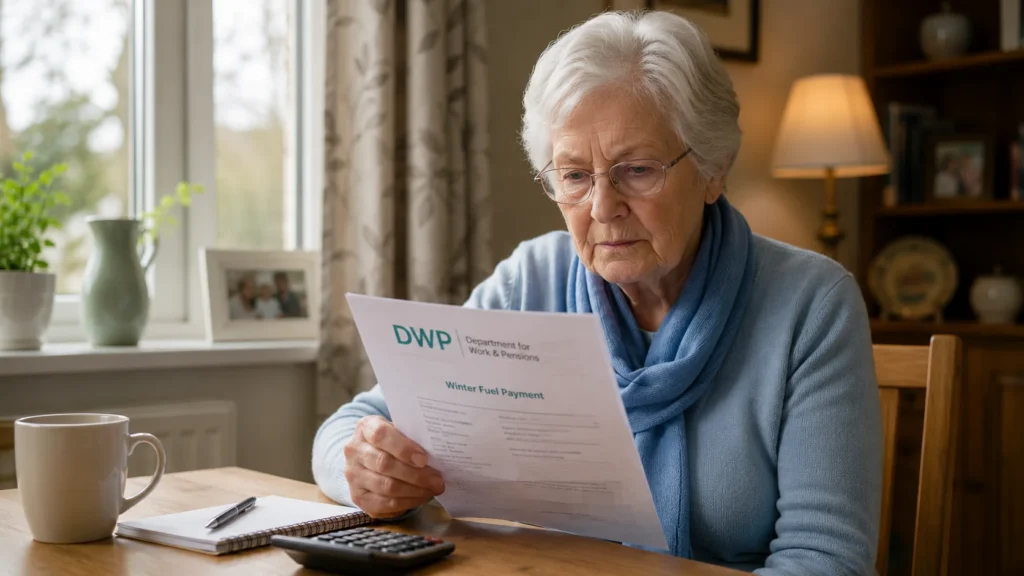





A frozen State Pension is a UK State Pension that continues to be paid to someone living overseas but does not receive the annual increases normally applied in the UK.
The pension is effectively fixed at the rate payable when the person moved to the country concerned, or when they first became entitled to the pension while living there.
Whether a UK State Pension is frozen depends primarily on where the pensioner lives, rather than their nationality or how many years they worked in Britain. UK State Pensions can generally be paid worldwide, but annual uprating is only available in certain countries.
What Does a Frozen State Pension Mean?
A frozen State Pension does not mean that the Department for Work and Pensions (DWP) has stopped paying the pension.
Instead, the pensioner continues receiving their entitlement, but its weekly amount does not normally rise when State Pension rates increase in the UK.
For example, if someone moves permanently to a country where State Pensions are frozen while receiving £180 a week, their pension could remain at around £180 a week even after the standard UK rate has increased several times.
Over a long retirement, this can create a significant difference between the income received by a pensioner living in a frozen country and somebody with an equivalent National Insurance record living in Britain or another country where uprating applies.
Why Are Some UK State Pensions Frozen Abroad?
The Government’s policy is that annual State Pension increases are paid abroad where there is a legal requirement to uprate the pension.
This generally applies where the pensioner lives in:
- The European Economic Area (EEA);
- Switzerland;
- Gibraltar; or
- Certain countries that have an appropriate reciprocal social security agreement with the UK.
If the pensioner lives elsewhere, annual increases will generally not be paid.
The policy has existed for decades and has been maintained by successive UK governments.
In an answer published on 22 April 2026, the Department for Work and Pensions confirmed that UK State Pensions are payable worldwide but are uprated overseas only where there is a legal requirement to provide the increase.
Which Countries Receive UK State Pension Increases?
Pensioners living in the EEA or Switzerland will usually continue receiving annual UK State Pension increases.
The EEA includes countries such as:
- Spain
- France
- Portugal
- Ireland
- Italy
- Germany
- Cyprus
- Malta
- Greece
- Netherlands
- Sweden
- Norway
There are also countries and territories outside the EEA where UK pensions are normally uprated because of applicable arrangements.
According to the Government’s current list, these include:
- Barbados
- Bermuda
- Bosnia-Herzegovina
- Gibraltar
- Guernsey
- Isle of Man
- Israel
- Jamaica
- Jersey
- Kosovo
- Mauritius
- Montenegro
- North Macedonia
- Philippines
- Serbia
- Turkey
- United States
The precise rules can depend on the social security agreement involved, so pensioners planning an overseas move should check their particular destination before making long-term financial decisions.
Which Countries Have Frozen UK State Pensions?
If a pensioner moves to a country that is not covered by the UK’s State Pension uprating arrangements, their pension will generally be frozen.
Some of the most significant countries affected include Australia, Canada and New Zealand.
Government figures based on March 2022 administrative data showed around 480,000 UK State Pension recipients overseas were not receiving annual increases, with approximately 84% of them living in Australia, Canada or New Zealand.
Other countries outside the uprating arrangements can also be affected.
The key point is that a country simply having some form of social security agreement with Britain does not necessarily mean that UK State Pensions will be increased there.
Is the UK State Pension Frozen in Canada?
Yes. UK State Pensions paid to people living in Canada do not receive the standard annual UK increases.
This can sometimes cause confusion because Britain and Canada have social security arrangements.
However, GOV.UK expressly states that a pensioner living in Canada cannot receive the yearly increases to their UK State Pension under the existing arrangements.
As a result, someone who permanently moves from Britain to Canada can continue receiving their State Pension but may see its value gradually fall in real terms because it does not keep pace with future UK increases.
Is the UK State Pension Frozen in Australia?

UK State Pensions paid to pensioners living permanently in Australia are generally frozen.
Australia has historically accounted for a substantial proportion of overseas UK pensioners affected by the frozen pension rules.
A person can still receive the UK State Pension for which they qualify, but the annual increases that would normally apply to someone living in Britain are not generally added while they remain resident in Australia.
Is the UK State Pension Frozen in New Zealand?
Yes. Pensioners living in New Zealand generally do not receive annual increases to their UK State Pension.
Like Canada, New Zealand has social security arrangements with Britain, but GOV.UK specifically excludes Canada and New Zealand from the annual State Pension uprating provisions.
This distinction is important because the existence of a reciprocal agreement alone cannot be used to determine whether a pension will be frozen.
How Much Is the UK State Pension in 2026?
From April 2026, the full new State Pension is £241.30 per week for the 2026/27 tax year.
The full basic State Pension under the old system is £184.90 per week.
However, these figures do not mean every pensioner receives those amounts.
An individual’s entitlement depends on factors including their National Insurance history and, for people covered by the transitional system, their State Pension calculation.
For someone living in a frozen-rate country, the standard 2026/27 rate is particularly important because they may not receive the increase to that rate if their pension was frozen at an earlier level.
Does the Triple Lock Apply to Frozen State Pensions?
Not in the normal way.
The State Pension triple lock determines how the relevant UK State Pension rates are increased each year. However, pensioners living in countries where annual uprating does not apply do not automatically receive those increases.
This means that while State Pension rates in Britain can rise through successive annual upratings, a frozen pension can remain unchanged.
The result becomes more significant the longer someone remains overseas.
A relatively small initial difference can develop into a substantial income gap after 10, 20 or 30 years of retirement.
Does Moving Abroad Affect the Right to Receive a State Pension?
Moving abroad does not automatically remove a person’s entitlement to the UK State Pension.
Someone who has paid or been credited with enough qualifying UK National Insurance years can generally claim their UK State Pension while living overseas.
The main distinction is between:
Entitlement to the pension – whether someone qualifies for a UK State Pension.
Annual uprating – whether that pension increases each year while the person is living overseas.
A pensioner could therefore be fully entitled to a State Pension while simultaneously being excluded from annual increases because of their country of residence.
What Happens If Someone Returns to Live in the UK?
A frozen pension does not necessarily remain frozen forever.
If the pensioner returns to live in the UK, GOV.UK states that their State Pension will increase to the current applicable rate.
However, this does not generally mean receiving a large retrospective payment covering all the increases that were missed while living in the frozen country.
Instead, the pension is recalculated at the appropriate current level from the point at which the relevant residence conditions are met.
This distinction can be important for someone considering returning permanently to Britain after spending many years overseas.
What Happens If a Pensioner Moves Between Overseas Countries?
The treatment of the pension can change if someone moves from a frozen-rate country to one where the UK State Pension is uprated.
For example, someone living in a country where their pension has been frozen may subsequently move permanently to an EEA country or another country covered by the appropriate UK arrangements.
The State Pension rules may then allow uprating.
Conversely, somebody leaving Britain or an uprating country to become resident in a frozen-rate country may stop receiving subsequent annual increases.
Because individual circumstances and residence status can matter, the International Pension Centre should be contacted before an overseas relocation where State Pension income forms an important part of the household budget.
Does Nationality Affect Whether a State Pension Is Frozen?
The rules are not simply based on whether somebody is British.
In its April 2026 parliamentary response, the Government stated that UK State Pensions are payable worldwide without regard to nationality, subject to the relevant qualifying requirements.
The important factor for annual increases is generally the pensioner’s country of residence and whether UK law or an applicable international agreement requires the pension to be uprated there.
Two people with effectively identical UK National Insurance records could therefore receive different amounts years later if one lives in an uprating country and the other lives in a frozen-rate country.
Can Someone Build Up a UK State Pension While Living Abroad?
Living overseas does not necessarily prevent someone from having UK State Pension entitlement.
A person’s eventual pension can depend on their UK National Insurance record as well as, in some circumstances, periods spent working or contributing to social security systems overseas.
The Government advises people who have lived or worked abroad that their entitlement depends partly on their qualifying UK National Insurance years and the countries in which they have lived or worked.
However, qualifying for the pension should not be confused with qualifying for annual overseas increases.
Someone may successfully build sufficient entitlement to receive a UK State Pension and still have that pension frozen after retirement because of the country in which they choose to live.
Why Is the Frozen State Pension Policy Controversial?
The policy has been debated for many years.
Critics argue that pensioners may have paid similar National Insurance contributions during their working lives but receive very different lifetime payments depending on where they retire.
They also argue that inflation can substantially reduce the purchasing power of a pension that remains fixed for decades.
Supporters of the existing Government approach point to the long-established legal framework and the cost of changing it.
Government estimates published in 2023 put the additional cost of fully uprating State Pensions in frozen-rate countries at approximately:
| Financial year | Estimated cost |
| 2023/24 | £860 million |
| 2024/25 | £940 million |
| 2025/26 | £930 million |
| 2026/27 | £930 million |
| 2027/28 | £930 million |
The estimated total across those five years was approximately £4.59 billion. These are projections based on underlying DWP administrative data rather than actual expenditure figures for each future year.
Is the Government Planning to End Frozen State Pensions?
As of now 2026, the frozen State Pension policy remains in place.
In its 22 April 2026 parliamentary response, the DWP reiterated the established position that overseas pensions are uprated where there is a legal requirement to do so and noted that successive governments have maintained this approach.
Therefore, pensioners should not make financial plans on the assumption that all frozen overseas pensions will automatically begin receiving annual increases.
Any future change would require a change in government policy, legislation or the international arrangements governing uprating.
How Can Someone Check Whether Their State Pension Will Be Frozen?
Before moving abroad, a person should establish:
- Which country will become their normal place of residence.
- Whether that country appears on the Government’s current State Pension uprating list.
- Their current or projected UK State Pension entitlement.
- Whether an applicable social security agreement affects their circumstances.
- How losing future annual increases could affect their retirement income over the long term.
Anyone who has already retired or is considering moving overseas can contact the International Pension Centre for advice about how their UK State Pension may be affected. GOV.UK specifically recommends seeking advice where a pensioner is considering an overseas move.
What Should Pensioners Consider Before Retiring Abroad?
The frozen pension rule should form part of broader retirement planning rather than being considered in isolation.
A pensioner may also need to assess:
- Expected inflation in the destination country;
- Currency exchange-rate movements;
- Healthcare costs;
- Taxation of UK pension income;
- Private and workplace pension income;
- Local pension entitlement;
- Housing costs;
- Access to benefits; and
- Whether they may eventually return to Britain.
The effect of a frozen pension can become particularly significant over a long retirement because the nominal payment may stay unchanged while living expenses continue to increase.
What Is the Key Point About Frozen State Pensions?
A frozen State Pension is still paid, but it does not receive the normal annual UK increases while the pensioner lives in certain countries.
The UK State Pension can be paid worldwide, but uprating depends on the pensioner’s country of residence and the legal arrangements in force there.
Pensioners in the EEA, Switzerland and certain other countries generally receive annual increases, whereas many pensioners in countries such as Australia, Canada and New Zealand do not.
Anyone planning to retire overseas should therefore check the State Pension rules before relocating, as the decision could affect their income for the rest of their retirement.
FAQs
Can a Frozen State Pension Ever Increase Again?
Yes. If a pensioner moves permanently to the UK or another country where annual uprating applies, their State Pension may increase to the applicable current rate.
Which Countries Are Most Affected by Frozen Pensions?
Large numbers of affected UK pensioners live in Australia, Canada and New Zealand, although the frozen pension rules also apply in several other countries.
Does a Frozen Pension Mean Payments Have Stopped?
No. The pension continues to be paid, but the weekly amount generally stays at the same level instead of receiving annual UK increases.
Will Moving Back to Britain Restore Pension Increases?
Yes. Someone who returns to live permanently in the UK will normally have their State Pension increased to the appropriate current rate.
Are Frozen Pensioners Entitled to the Triple Lock?
The triple lock can raise UK State Pension rates, but pensioners living in frozen-rate countries do not normally receive those annual increases.
Does Having a Full National Insurance Record Prevent a Pension Freeze?
No. Even someone with enough qualifying years for the full State Pension can have their payment frozen if they live in a country where UK pension uprating does not apply.
How Can Someone Check Their Pension Before Moving Abroad?
They can check the current overseas State Pension rules on GOV.UK and contact the International Pension Centre for guidance based on their destination and circumstances.